RPC Land Surveyors is a New Zealand cadastral surveying firm with 20 staff across two offices in Mount Maunganui and Auckland. Founded in 1982, the company specialises in cadastral surveying and land development engineering, with services ranging from locating a boundary peg through to major 400-lot subdivision projects.
Customer Story
How RPC Land Surveyors used a common data environment to save 200 hours and NZD $25,000 a year
RPC Land Surveyors needed a faster and more structured way to manage thousands of jobs, documents, emails and survey files across its business. By implementing 12d Synergy as a common data environment, RPC created a single source of truth for project information, improved collaboration across its offices and dramatically reduced the time spent searching for job data. With Spatial Search, standardised structures and Abtrac integration, the business saved around 200 hours a year and approximately NZD $25,000 in billable time.
The Challenge
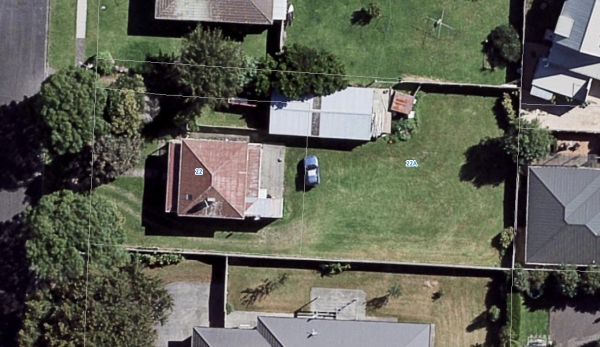
RPC averages around 400 jobs a year and has more than 7,300 jobs gathered and archived across decades in business. As that archive grew, finding and managing project information became increasingly difficult. The team was relying on Excel spreadsheets to search jobs, but this process was slow, limited and often frustrating, especially when multiple projects were associated with the same long road name or surrounding area.
On average, it took around 10 minutes to find the right job information, and with jobs being searched roughly three times per job, RPC estimated it was spending around 200 hours a year searching for data. That equated to approximately NZD $25,000 a year in lost billable time.
At the same time, RPC’s wider information environment was disorganised. Data was stored in Windows Explorer with no set structure or standardisation, emails were left in individual mailboxes, and the network drive was slow and inaccessible outside the office. This made collaboration inefficient and increased the risk of duplicated files, missing information and unnecessary rework.
The Solutions
To address these issues, RPC deployed 12d Synergy as a common data environment with a single source of truth for all emails, documents and survey data. Folder structures were standardised, job templates were created, and permissions, tasks and template files were set up to give the business a more consistent and searchable information environment.
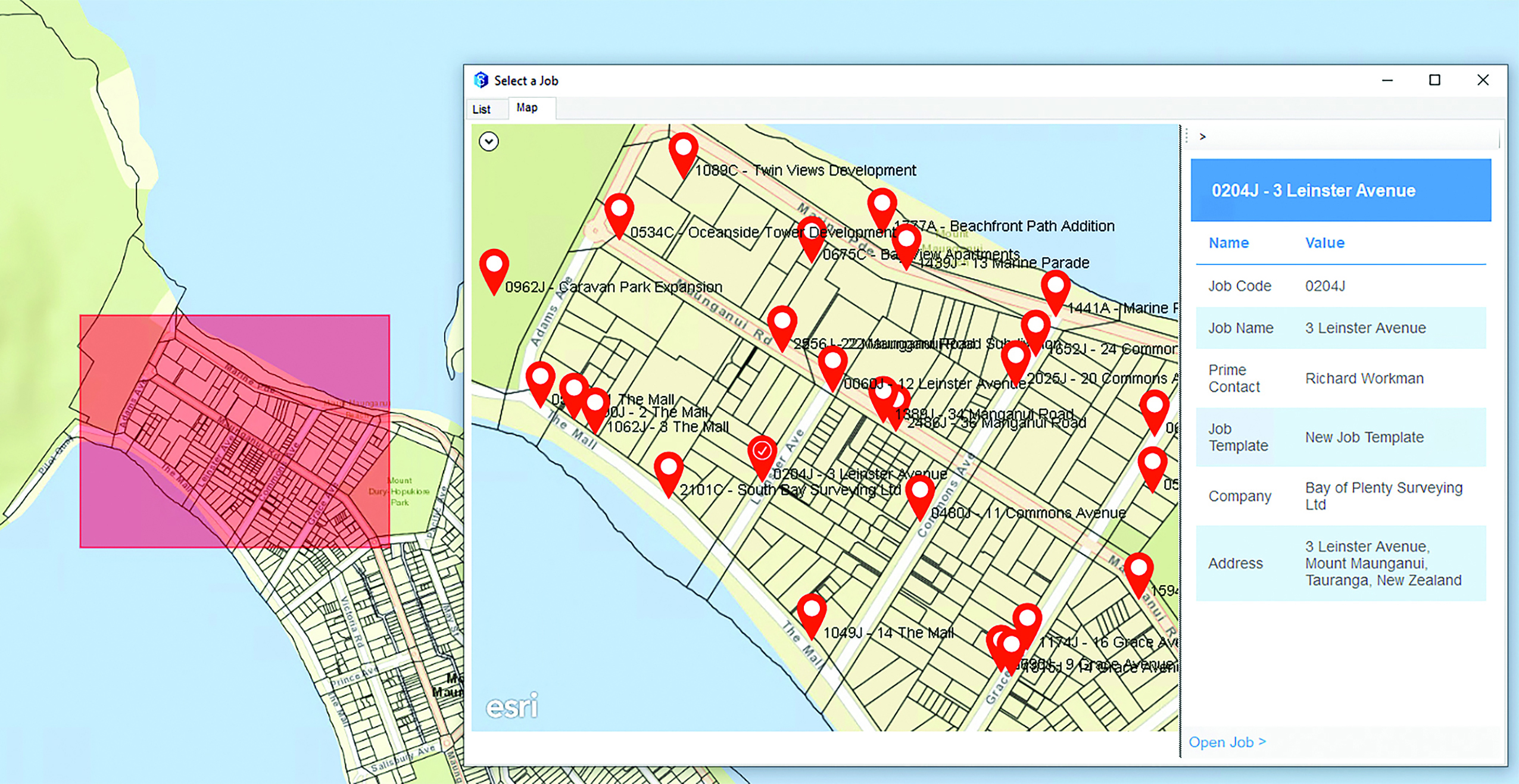
A major part of the improvement came from Spatial Search, which allowed users to search jobs visually on a map by zooming into an area, drawing a rectangle, dropping a pin or entering a specific address. This gave RPC a much smarter way to find historic and current job data than spreadsheet-based searching ever could.
RPC also integrated 12d Synergy with Abtrac, its job management software. This connector automatically created jobs in 12d Synergy with project, company and contact information, along with folder structures, tasks, contacts, attributes and templates. This helped eliminate repetitive double data entry and strengthened consistency across the business.
The Result
- Saved around 200 hours a year searching for job data
- Recovered approximately NZD $25,000 a year in billable time
- Reduced search time by up to 95%, from around 10 minutes to under 30 seconds
- Saved up to 190 hours and approximately NZD $23,750 annually through Spatial Search alone
- Eliminated around 5 minutes of double data entry per job through Abtrac integration, saving up to 33 hours a year and around NZD $2,000
- Avoided unnecessary rework, with Blair estimating up to 50% of a job could sometimes be saved when relevant nearby data was found early
- Supported 1,200 jobs in 12d Synergy, 980 12d Model projects, 393,279 files, 859,213 file changes and 284 GB of managed data.
“12d Synergy has definitely improved our offices’ performance. We’re no longer hunting for files, wasting time, and getting frustrated. Even admin staff can quickly find emails, plans, and photos. It’s been awesome!”

Director, RPC Land Surveyors
Blair Jackson
Final Thoughts
A common data environment brought order to decades of project information
For RPC, the core problem was not just slow searching. It was the lack of a structured and trusted environment for project information across the business. With thousands of jobs archived over decades, the absence of standardisation made it harder to find files, harder to share information and harder to maintain confidence in what was current.
12d Synergy gave RPC one central and searchable location for its project information, replacing fragmented storage, disconnected inboxes and inconsistent filing methods with a more governed and usable system.
Spatial Search turned archived data into a business asset
Within that broader CDE, Spatial Search became one of the most valuable day-to-day tools. Instead of manually hunting through spreadsheets, staff could search jobs spatially on a map and retrieve information much faster. This was especially valuable in a cadastral and land development context, where location is often the most intuitive way to identify relevant historical work.
Blair Jackson said Spatial Search quickly became the office’s go-to method for finding jobs. Search time dropped from around 10 minutes to under 30 seconds, cutting annual search effort by up to 95% and turning RPC’s historical archive into something far more usable and commercially valuable.
Creating a single source of truth for files, emails and collaboration
12d Synergy also transformed how RPC managed emails, files and office collaboration. Rather than storing data across Windows Explorer, inboxes and a slow network drive, the business brought project information into one centralised environment that staff could search and access more easily.
This made work-sharing much smoother across the office. If a project leader was away, another team member could still locate the relevant files, see where the job was up to and respond to the client. That practical improvement in continuity is one of the clearest examples of how the CDE strengthened day-to-day operations, not just storage.
Reducing rework and automating job creation
Another benefit of having easier access to current and historical job data was the reduction of unnecessary rework. Blair estimated that when RPC could quickly find relevant nearby or related job information, up to 50% of a new job could sometimes be saved — roughly 7 hours and NZD $1,500 or more on a typical cadastral job.
The Abtrac Connector extended that efficiency further by automatically creating jobs in 12d Synergy with the right structure and metadata. This removed roughly 5 minutes of double data entry per job and helped standardise job creation across the business.
Positioned for faster and more controlled surveying workflows
For RPC Land Surveyors, 12d Synergy became more than a search tool. It provided a true common data environment that brought order, visibility and consistency to project information across the business.
By combining a single source of truth with Spatial Search and job creation automation, RPC was able to save time, reduce avoidable effort and build a more efficient way of working across surveying and land development projects.